Freddie Highmore in The Good Doctor: A Brilliant, Heart-Wrenching, and Game-Changing Performance That Redefines Television
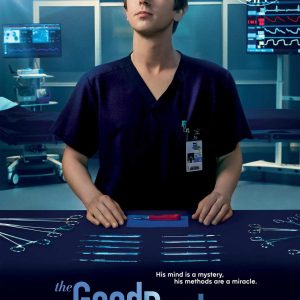
In a world saturated with medical dramas and formulaic television, The Good Doctor emerges as a poignant, emotionally charged, and socially transformative series—thanks in large part to the stunning, career-defining performance of Freddie Highmore as Dr. Shaun Murphy. Highmore, who first captured our attention as a child actor in Charlie and the Chocolate Factory and later chilled us with his eerie turn in Bates Motel, steps into completely new territory with The Good Doctor, portraying a gifted young surgeon with autism and savant syndrome. And it’s safe to say: he absolutely masters the role.
An Intellectually Complex and Emotionally Grounded Character
What sets Highmore’s portrayal apart is not just his technical skill or commitment to realism—though both are remarkable—it’s his deep understanding of the humanity beneath Shaun’s exterior. From his awkward silences to his hyper-focused monologues, from the barely perceptible expressions of joy or distress to the methodical pacing of his movements, Highmore captures the intricate nuances of a man whose mind operates differently from most. It’s not a caricature or a trope. It’s a layered, compassionate portrayal that is both heartbreaking and inspiring.
Dr. Shaun Murphy is more than just a surgeon. He is a mirror that reflects society’s biases, a lens through which we view the rigidity of institutional norms, and a voice—often unfiltered—that exposes the discomfort people feel when faced with what they don’t understand. Highmore doesn’t just act this part; he embodies it, portraying Shaun with such quiet dignity and intelligence that it’s impossible not to root for him, even when he stumbles socially or emotionally.
Navigating Medicine, Emotion, and Isolation
Shaun’s brilliance as a surgeon is unquestionable, and Highmore portrays the character’s rapid mental calculations and encyclopedic knowledge with a natural ease that’s often mesmerizing. But where the show—and Highmore’s performance—truly shines is in the emotional undercurrents. Each episode becomes a delicate balancing act for Shaun as he navigates not only life-and-death decisions in the operating room but also the more elusive, often painful world of human connection.
His struggle with touch, sarcasm, relationships, change, and overwhelming emotional stimuli is not portrayed for pity or sensationalism. Instead, Highmore walks the fine line between vulnerability and strength with astonishing grace. It’s in the smallest moments—the way Shaun’s voice trembles when he confronts rejection, the flicker of pride in his eyes when he accomplishes a task on his own, or the clenched jaw when he’s misunderstood—that Highmore proves why this role might be one of the finest performances currently on television.
Relationship Dynamics That Deepen the Story
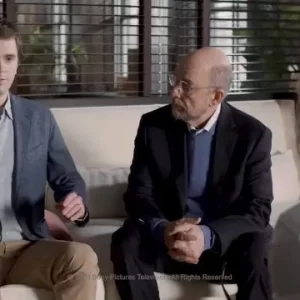
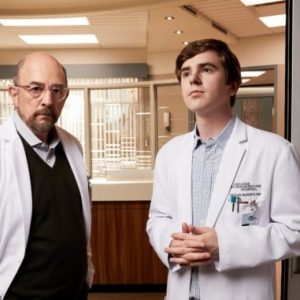
One of the most powerful aspects of Shaun’s journey is his evolving relationship with the people around him, particularly with Dr. Aaron Glassman, played by the always-excellent Richard Schiff. Their bond goes far beyond that of mentor and mentee—it’s familial, paternal, and occasionally fraught with frustration, love, and mutual growth. Glassman challenges Shaun but also protects him, often seeing the brilliance and emotional depth in him when others cannot. Their scenes are among the most moving in the series, and it’s a testament to Highmore’s emotional range that he can hold his own—and often outshine—a veteran like Schiff.
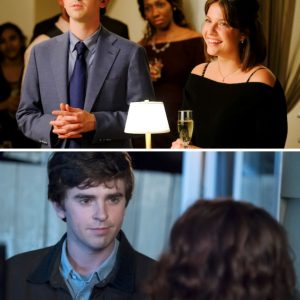
The supporting cast, including Antonia Thomas (Dr. Claire Browne), Hill Harper (Dr. Marcus Andrews), and Christina Chang (Dr. Audrey Lim), add texture to the narrative, but it’s always Highmore’s Shaun who remains the beating heart of the story. His interactions with his peers—ranging from awkward standoffs to moments of hard-won trust—form the soul of The Good Doctor and make for deeply resonant storytelling.
Changing Perceptions and Raising Awareness
Perhaps the most impactful aspect of Freddie Highmore’s work in The Good Doctor is the cultural ripple effect it has had. Rarely has a mainstream network series centered a character with autism in such a realistic, respectful, and three-dimensional way. Highmore has collaborated closely with autism consultants, and his portrayal has sparked much-needed conversations about neurodiversity, inclusion, and the capabilities of those who are often marginalized or misunderstood.
Through Shaun, viewers are forced to confront their own prejudices—about intelligence, empathy, professionalism, and “normalcy.” His presence in the fictional world of San Jose St. Bonaventure Hospital challenges not just his fictional colleagues but all of us watching from the sidelines. Can someone with autism be a brilliant doctor? The show answers with a resounding yes—and adds, “And so much more.”
Awards-Worthy Talent in a Must-Watch Series
Highmore’s portrayal has been rightly praised by critics and fans alike. His work is Emmy-worthy, Golden Globe-worthy, and—perhaps most importantly—worthy of the lives it has touched and the minds it has opened. What could have easily been a gimmick becomes, under his masterful performance, a landmark portrayal of neurodiversity in media.
Each season, Shaun evolves—growing not only in his medical prowess but also in emotional intelligence. Watching Highmore navigate this progression with authenticity, restraint, and heart is a privilege. It’s a performance that educates as much as it entertains, and it’s the cornerstone of a series that’s far more than just a medical drama.
Final Thoughts: A Character That Stays With You
In The Good Doctor, Freddie Highmore has created a character who is not just unforgettable but necessary. Dr. Shaun Murphy challenges stereotypes, inspires empathy, and shows us that brilliance can come in many forms. Whether he’s diagnosing a rare illness, standing up to authority, or learning how to navigate a romantic relationship, Shaun feels real. That’s the magic of Highmore’s performance—it makes you forget he’s acting.
In a time when representation truly matters, The Good Doctor gives us a hero who doesn’t wear a cape but scrubs, and whose greatest power may just be his heart and mind working in perfect, albeit unconventional, harmony.