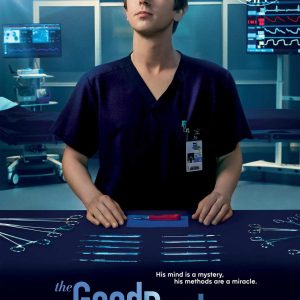
Since its debut in 2017, The Good Doctor has built its reputation on more than just intense medical drama—it’s become a poignant study of human emotion, growth, and resilience. At the heart of the series is Dr. Shaun Murphy, a young surgeon with autism and savant syndrome, whose perspective on the world challenges both his peers and the audience to think differently about intelligence, empathy, and what it means to be a “good doctor.” Through his eyes, and those of a richly developed supporting cast, the show explores profound themes like trauma, grief, moral ambiguity, and love.
While the series contains dozens of memorable storylines, there are specific episodes that truly define what The Good Doctor is about. These 15 episodes, in particular, stand out not for their sensationalism or dramatic twists, but for their emotional authenticity, character development, and thematic depth.
1. Pilot (Season 1, Episode 1)
The episode that started it all. We meet Shaun as he tries to save a young boy’s life in an airport, demonstrating both his extraordinary skill and the social barriers he faces. The pilot establishes not only Shaun’s brilliance but the skepticism he must overcome in a system that doubts him. It’s a microcosm of the show’s central conflict: brilliance versus bias.
2. Point Three Percent (Season 1, Episode 6)
In this deeply emotional episode, Shaun treats a young patient who reminds him of his deceased brother. The line between personal memory and professional responsibility begins to blur, giving us insight into Shaun’s unhealed trauma and capacity for connection.
3. Trampoline (Season 2, Episode 18)
After being fired, Shaun finds himself in a downward spiral. He gets beaten up in a bar and faces emotional collapse. But it’s also a moment of breakthrough for his mentor, Dr. Glassman, who realizes just how much Shaun needs guidance and unconditional support. Redemption and rebuilding begin here.
4. Quarantine: Part Two (Season 2, Episode 11)
The conclusion to a two-part midseason finale, this episode reveals Shaun’s panic under extreme pressure. A quarantine forces characters to confront their fears, and for Shaun, it’s a revelation of how deeply he cares about his coworkers—and how destabilizing chaos can be for someone who thrives on structure.
5. 45-Degree Angle (Season 3, Episode 6)
Shaun leads a surgery for the first time and experiences the crushing weight of responsibility. When things go wrong, he must navigate the unfamiliar terrain of failure. It’s a pivotal episode that shows he’s not just a brilliant mind—he’s learning to be a leader.
6. Friends and Family (Season 3, Episode 10)
Shaun’s complicated relationship with his past takes center stage when he visits his dying father. His emotional breakdown—private, painful, and raw—provides one of Freddie Highmore’s most moving performances, revealing how childhood wounds shape adult fears.

7. I Love You (Season 3, Episode 20)
The Season 3 finale delivers one of the most shocking and heartbreaking moments in the series: the death of Dr. Neil Melendez. His final moments with Claire Browne are emotionally loaded, creating a moment of connection, regret, and unresolved love. Fans still mourn this loss.
8. The Uncertainty Principle (Season 4, Episode 3)
This episode dives into the grey areas of medicine. There is no clear right or wrong choice, and that ambiguity weighs heavily on the characters. It underscores a truth that runs throughout the show—being a good doctor isn’t always about having the answers, but about being willing to make hard decisions.
9. Vamos (Season 4, Episode 20)
Set during a medical mission in Guatemala, “Vamos” pushes the characters outside their comfort zones. Shaun, in particular, is forced to adapt to new surroundings, limited resources, and cultural differences. The episode explores privilege and access to care, offering a broader social commentary.
10. Expired (Season 5, Episode 7)
Shaun faces the unexpected death of a patient, and the way he processes that loss—by emotionally shutting down—is both troubling and deeply human. It’s not melodrama; it’s a realistic portrayal of the emotional toll medicine takes on doctors.
11. Love’s Labor (Season 5, Episode 18)
Shaun is pushed to the brink as he performs emergency surgery on his pregnant wife, Lea. It’s one of the most emotionally charged episodes in the series, combining personal stakes with medical urgency. His fear, precision, and devotion make this a career-defining moment for the character.
12. The Shaun Show (Season 6, Episode 7)
In this unique episode, Shaun is at the center of a media spotlight. While it initially seems like a celebration of his talent, it quickly devolves into an uncomfortable display of exploitation. The episode critiques how the public often romanticizes or misunderstands neurodiversity.
13. The Good Boy (Season 6, Episode 14)
Here, Shaun mentors a young patient with autism, reflecting on how far he has come since Season 1. The episode is tender and reflective, and it serves as a mirror for Shaun’s journey, highlighting his growth not only as a doctor but as a person capable of mentoring others.
14. Tears of the Son (Season 6, Episode 19)
Shaun and Lea prepare for parenthood in this episode full of anticipation and anxiety. It’s not just about becoming parents—it’s about the fear of repeating trauma, the hope of doing things differently, and the strength it takes to move forward with love and vulnerability.
15. Goodbye (Season 7, Series Finale)
If “Pilot” was about potential, “Goodbye” is about legacy. As the series comes to a close, characters reflect on where they started and how far they’ve come. For Shaun, the journey from misunderstood outsider to trusted surgeon, husband, and father is complete. It’s a beautiful, bittersweet farewell that leaves fans deeply moved.
Why These Episodes Matter
Each of these episodes reveals a key aspect of The Good Doctor’s soul: emotional honesty, respect for difference, and a constant willingness to ask difficult questions. What makes someone a good doctor—or a good person? Is it brilliance, resilience, empathy, or the courage to face one’s own fears?
These stories make clear that the answer is never simple—but that the pursuit of goodness, in all its forms, is always worth watching.
Whether you’re new to the series or a long-time fan, these 15 episodes capture everything The Good Doctor stands for. They are not just milestones in plot—they are emotional touchstones, each representing a turning point in character, theme, or truth.