Medical dramas have always had the power to move audiences, but The Good Doctor goes beyond entertainment. With its emotionally charged stories, high-stakes surgeries, and complex diagnoses, the show often feels too intense, too specific — too real. That’s because it often is.
Many of The Good Doctor’s most unforgettable episodes are rooted in real medical cases — either directly inspired by true events or adapted from unique conditions documented in medical literature. These stories, combined with the show’s human touch, are what keep viewers coming back week after week.
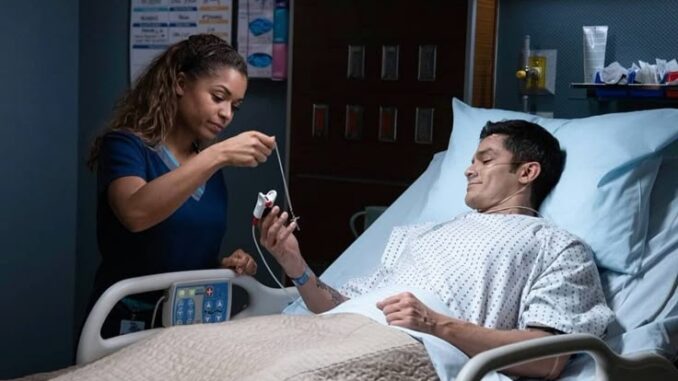
This storyline mirrors several real-life medical debates about “incidental findings” — unexpected conditions discovered during unrelated surgeries. Ethically, a surgeon should obtain consent beforehand unless the patient is in immediate danger. In 2013, a similar real-world case involved a surgeon removing a woman’s ovary during what was supposed to be a basic laparoscopic procedure. It sparked a national conversation about patient autonomy.
This unforgettable episode features a young patient with organs on the opposite side of his body — a rare condition known as situs inversus. While it sounds like science fiction, situs inversus affects approximately 1 in every 10,000 people. Most live perfectly normal lives — until a medical emergency like appendicitis makes diagnosis extremely difficult.
In real hospitals, situs inversus has led to surgical complications and misdiagnoses. The episode masterfully builds suspense as the doctors must relearn their anatomical instincts in real-time — a challenge that has actually confounded surgeons in real-life trauma wards. In this heart-wrenching episode, the team performs surgery on a fetus inside the womb — a high-risk procedure that tests both medical skill and emotional resilience.
In-utero (fetal) surgery is one of the most groundbreaking medical advancements of the last 30 years. First performed in the 1980s, it is now used to treat conditions like spina bifida, twin-to-twin transfusion syndrome, and congenital diaphragmatic hernia.

The emotional stakes in The Good Doctor mirror the real lives of families who’ve faced the impossible choice: risk the life of the fetus in hopes of saving them from lifelong disability. Real surgeons, such as those at CHOP (Children’s Hospital of Philadelphia), have lauded the show’s accurate portrayal of the emotional tension behind such procedures. This episode introduces a patient who is completely paralyzed but fully conscious — a condition known as locked-in syndrome. It’s incredibly rare and devastating, most commonly caused by stroke or brainstem trauma.
Perhaps the most famous real-life case is that of Jean-Dominique Bauby, a French journalist who suffered a massive stroke and wrote his memoir The Diving Bell and the Butterfly by blinking one eye. Like Bauby, The Good Doctor’s patient struggles to communicate but eventually uses eye-tracking technology to regain autonomy. The emotional weight of the episode isn’t fictional. Families dealing with locked-in syndrome often face heartbreak and hope in equal measure — a reality that the show captures with remarkable compassion.
This emotionally charged episode tackles the mental health toll that the COVID-19 pandemic takes on frontline workers, especially those in trauma care. While fictional, the storylines are deeply rooted in the real experiences of doctors and nurses who battled isolation, moral injury, and burnout during the pandemic’s peak.
Medical professionals across the globe — from Italy to New York to Brazil — reported symptoms of PTSD and depression as ICUs filled and decisions became unbearable. The episode pays tribute to the real people behind the PPE, reminding viewers that heroes aren’t indestructible.
One of the reasons The Good Doctor resonates so strongly is its commitment to medical realism. The show’s creators work closely with consultants, doctors, and medical advisors to ensure that the conditions depicted are medically plausible — even when dramatized for emotional impact. Dr. Oren Gottfried, a real-life neurosurgeon, is one of the show’s key medical advisors. He has confirmed in interviews that many cases are pulled from real operating rooms and medical journals. The goal? To educate as well as entertain.
The Good Doctor doesn’t just show you how the body breaks — it shows how the human spirit heals. By blending real-world cases with compelling drama, it sparks curiosity, empathy, and respect for those in the medical field.
It reminds us that behind every surgery, diagnosis, or hospital bed, there’s a real person — not just a patient or a doctor — trying their best to survive, to help, and to connect.