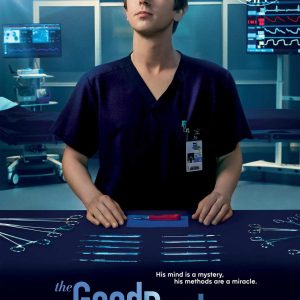
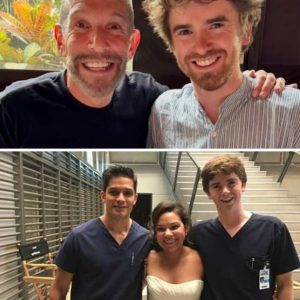
From 2017 to 2024, The Good Doctor, a powerful medical drama on ABC, captivated audiences with its portrayal of Dr. Shaun Murphy—a brilliant young surgical resident with autism and savant syndrome. Played with nuance and empathy by Freddie Highmore, Shaun’s journey from an underestimated outsider to Chief of Surgery is one of television’s most compelling narratives. More than just a show about medicine, The Good Doctor is a story of personal growth, resilience, and redefining what it means to be “capable.”
Shaun’s character is unique in the world of primetime television. He possesses an extraordinary memory, keen analytical skills, and a diagnostic mind that often outshines his colleagues. But his social difficulties—rooted in his autism—make integration into the high-pressure world of surgery at San Jose St. Bonaventure Hospital deeply challenging. From the outset, Shaun faces resistance, not because of his intellect, but because of his differences.
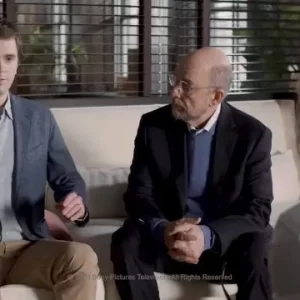
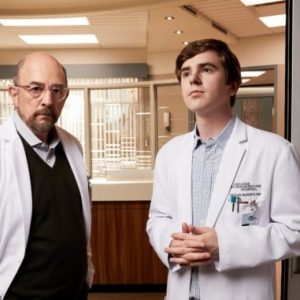
The one person who truly believes in Shaun from the beginning is Dr. Aaron Glassman, portrayed by Richard Schiff. Glassman’s unwavering support and mentorship become the foundation upon which Shaun’s professional and personal growth is built. Their bond transcends that of mentor and mentee—Glassman is a father figure, guiding Shaun through both the complexities of medicine and life itself.
As Shaun begins his surgical residency, his interactions with peers like Dr. Neil Melendez (Nicholas Gonzalez) are often tense and uncertain. Trust isn’t easily earned in such a competitive environment, but as Shaun’s unique problem-solving skills repeatedly save lives, respect gradually follows. Over time, he proves that while his approach may be unconventional, his outcomes are often extraordinary.
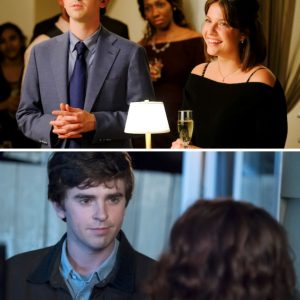
Shaun’s growth is not limited to the operating room. Perhaps one of the most touching arcs in the series is his evolving relationship with Lea Dilallo (Paige Spara). What begins as a friendship slowly turns into a romance, though not without challenges. Their relationship faces emotional highs and lows—communication barriers, a heartbreaking miscarriage, and conflicting views on parenthood. Despite these trials, Shaun and Lea’s love endures, culminating in a marriage built on deep understanding and shared values. Together, they raise two children—Steven Aaron Murphy and Maddie—symbolizing Shaun’s full transformation into not just a doctor, but a loving husband and father.
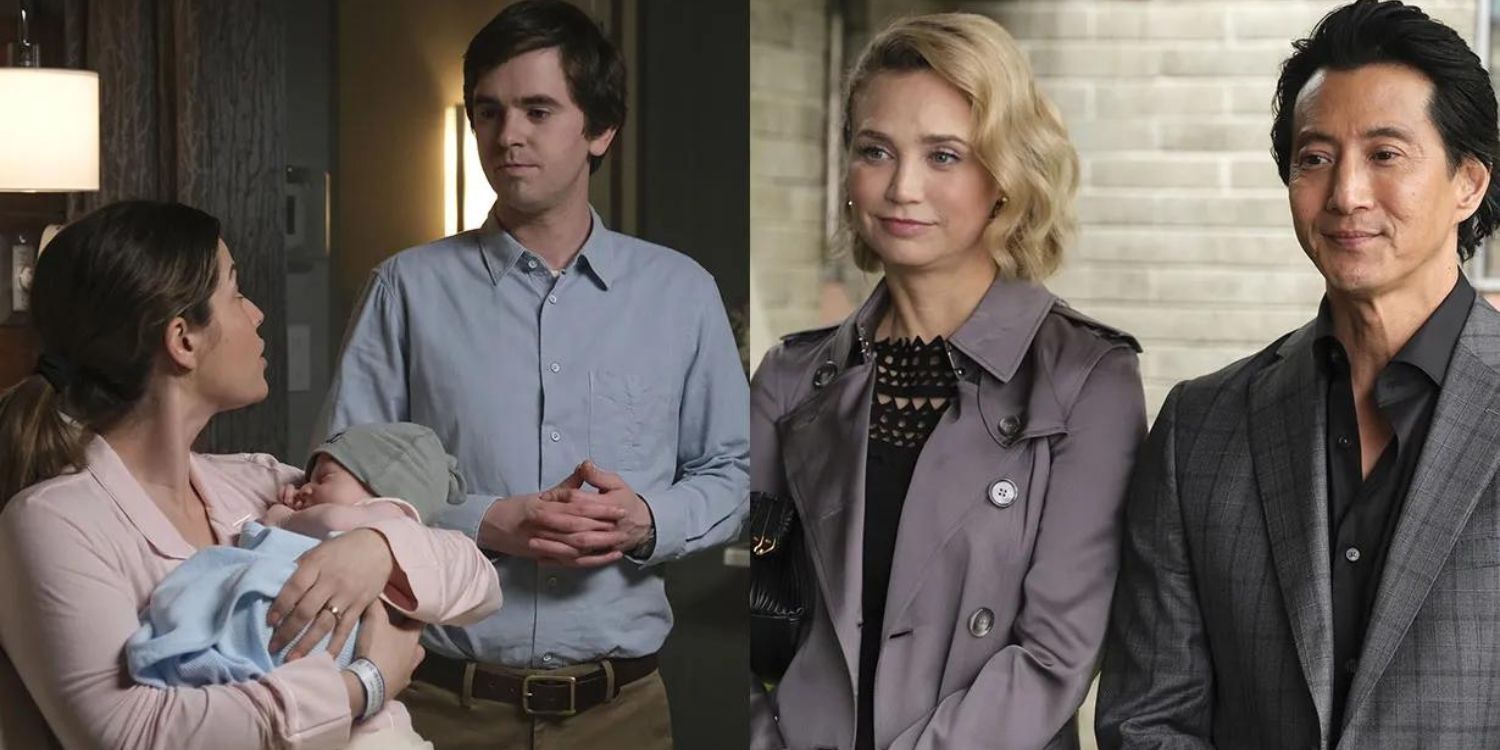
Professionally, Shaun’s rise is nothing short of inspirational. After completing his residency in Season 6, he becomes an attending surgeon. By the series finale, he has been appointed Chief of Surgery—a position that validates his capabilities and leadership. Alongside Dr. Claire Browne (Antonia Thomas), he co-founds the Dr. Aaron Glassman Foundation for Neurodiversity in Medicine, a testament to both his gratitude and his commitment to advocating for others like him.
Throughout the series, the supporting cast adds richness to Shaun’s journey. Characters like Dr. Marcus Andrews (Hill Harper) and Dr. Jared Kalu (Chuku Modu) provide dynamic perspectives on leadership, race, and mentorship in medicine. Departures—such as that of Melendez or Claire—add emotional weight, while returns, like Jared’s in Season 7, bring satisfying closure. The show’s commitment to diverse representation—ethnic, gender, and neurological—underscores its larger message of inclusion and equity.
What truly sets The Good Doctor apart, however, is its portrayal of autism. It avoids stereotypes and instead focuses on authentic representation. Freddie Highmore’s careful and respectful performance gives Shaun depth, humor, vulnerability, and courage. Shaun is not defined solely by his diagnosis—he is intelligent, emotionally complex, and, above all, human.
The show also addresses broader themes such as workplace discrimination, unconscious bias, and the need for compassion in healthcare. Many episodes are grounded in real medical cases, allowing Shaun to approach problems with a different lens—one that often challenges the conventional medical playbook. His presence forces his peers to reexamine their own assumptions and encourages viewers to do the same.
The final episode of The Good Doctor is a celebration of transformation. Shaun, once a young man doubted by nearly everyone except Glassman, is now a respected surgeon, a husband, a father, and a changemaker. His rise to Chief of Surgery and his work through the neurodiversity foundation cement his place as a pioneer. The story ends not with finality, but with a legacy—one that will continue to inspire.
The Good Doctor doesn’t just entertain—it educates and advocates. It invites its audience to look beyond surface-level judgments and embrace the idea that brilliance can take many forms. In showing the world through Shaun Murphy’s eyes, the series fosters empathy and challenges deeply rooted biases about what people with autism can achieve.
Shaun’s journey is a powerful reminder that support, belief, and opportunity can unlock extraordinary potential. He shows that those who are different are not broken—they are simply wired in a way that brings new value and perspective. From an outsider struggling to find his place, Shaun becomes a symbol of hope and possibility for millions of viewers, especially those who see themselves in him.
In the end, The Good Doctor leaves behind more than a television legacy—it leaves behind a cultural shift. Shaun Murphy’s story urges us all to reconsider how we define intelligence, ability, and leadership. And perhaps most importantly, it reminds us that with understanding and compassion, we can build a more inclusive world—one where everyone, no matter how different, can thrive.