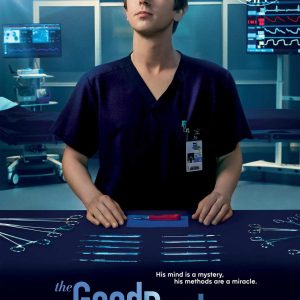
Since its premiere in 2017, The Good Doctor has carved out a unique space in the crowded genre of medical dramas. Unlike many predecessors that focus primarily on romantic entanglements or medical mysteries, this series centers on something much more profound: the story of Dr. Shaun Murphy, a young autistic surgeon with savant syndrome, trying to prove his worth in a prestigious hospital. This premise, groundbreaking in itself, has not only redefined the traditional format of medical dramas but has also challenged the way audiences perceive neurodiversity in high-pressure careers.
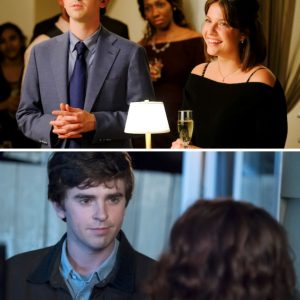
Portrayed with nuance and sensitivity by Freddie Highmore, Dr. Shaun Murphy is a complex, multidimensional character. He is brilliant—able to visualize intricate surgical procedures in his mind—but he also struggles with communication, sensory overload, and social cues. What makes Shaun’s journey compelling is not just his exceptional intelligence, but the emotional resilience he displays while navigating a world that often misunderstands or underestimates him. The show refuses to sugarcoat the challenges he faces, instead painting a realistic, often heartbreaking, yet ultimately inspiring picture of a young man fighting for his place in a system that wasn’t built for people like him.
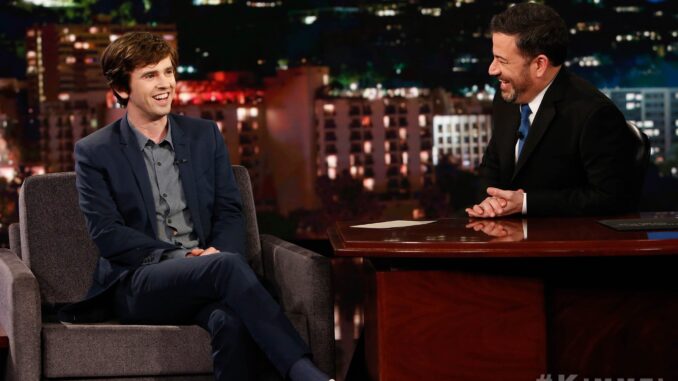
The Good Doctor‘s success lies partly in its commitment to authenticity. The writers worked closely with consultants from the autism community to ensure that Shaun’s experiences were depicted accurately and respectfully. As a result, the show has sparked important conversations about inclusion, accessibility, and the barriers that neurodiverse individuals face in the workplace. Shaun’s triumphs and setbacks force viewers to confront their own biases and ask: What does it truly mean to be capable?
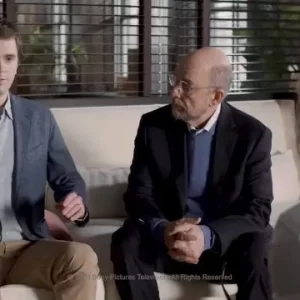
The show also excels in its supporting cast, who play crucial roles in Shaun’s journey. Characters like Dr. Glassman, Shaun’s mentor and father figure, provide emotional grounding. Others, like Dr. Claire Browne and Dr. Morgan Reznick, oscillate between skepticism and support, reflecting the real-life complexities of working with someone whose approach to the world is fundamentally different. These interactions highlight one of the series’ central themes: that diversity in thought, when embraced rather than feared, can lead to better outcomes for everyone.
:max_bytes(150000):strip_icc()/155973_9199-6ba3a2b742534537a41afc24e286fd80.jpg)