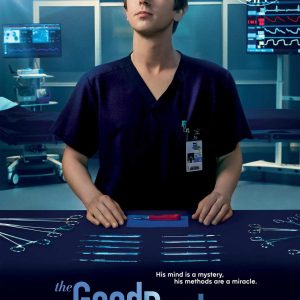
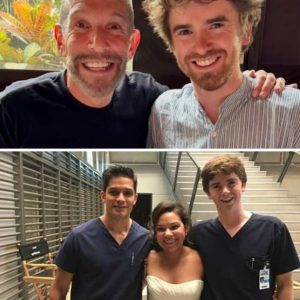
In the sixth season of The Good Doctor, viewers witness a defining transformation in the journey of Dr. Shaun Murphy, portrayed by Freddie Highmore. This chapter of the series doesn’t just celebrate a character’s professional milestone—it serves as a powerful narrative of perseverance, leadership, and breaking barriers. Shaun’s evolution from a socially challenged resident into a respected lead surgeon at San Jose St. Bonaventure Hospital marks one of the show’s most impactful arcs, reshaping how audiences view both medical professionals and individuals on the autism spectrum.
A Career Milestone Years in the Making
When audiences first met Shaun Murphy in Season 1, he was an exceptionally gifted surgical resident whose entrance into the hospital was met with hesitation and skepticism. Diagnosed with autism and savant syndrome, Shaun possessed a mind capable of identifying rare diseases and solving complex surgical dilemmas. But despite his intellectual brilliance, many questioned whether he could thrive in the emotionally demanding and socially dynamic world of surgery.
By Season 6, Shaun’s persistence and unwavering dedication have paid off. He successfully completes his residency, earning a position of leadership and responsibility—supervising new doctors and leading surgical teams. This ascent is not portrayed as sudden or effortless; it’s the result of years of hard work, growth, and the courage to face adversity head-on. The writers thoughtfully craft a journey that acknowledges Shaun’s struggles without allowing them to define him.
Leadership Redefined
One of the most compelling aspects of Shaun’s new role as lead surgeon is how it redefines the concept of leadership. In many traditional dramas, a leader is often portrayed as loud, assertive, and socially commanding. Shaun, however, leads in his own quiet, meticulous way—through example, precision, and empathy. His authority doesn’t come from dominating the room, but from earning the trust and respect of his colleagues through his actions.
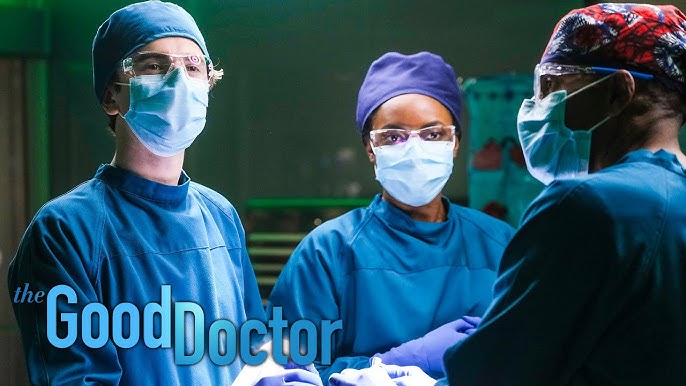
Shaun’s transition into a leadership position presents unique challenges. He must now balance his clinical responsibilities with mentoring others, navigating workplace politics, and handling emotionally complex cases that test his ability to communicate and empathize under pressure. These moments highlight his continued development—not just as a surgeon, but as a person.
Freddie Highmore: A Performance of Quiet Brilliance
Freddie Highmore delivers what can only be described as a masterful performance in Season 6. Known for his earlier roles in Bates Motel, The Spiderwick Chronicles, and Finding Neverland, Highmore has always brought emotional depth and intelligence to his characters. But in The Good Doctor, his portrayal of Shaun Murphy reaches new levels of authenticity and emotional resonance.
As Shaun steps into his new role, Highmore infuses the character with subtle shifts in body language, tone, and eye contact that reflect growing confidence. His voice becomes steadier, his decisions more assured. Yet, he never abandons the essence of Shaun—the vulnerability, the honesty, and the struggle to understand the social nuances of leadership. Highmore’s performance captures the balance between clinical genius and human complexity with remarkable nuance.
A Rich Ensemble Cast and Strong Narrative Support
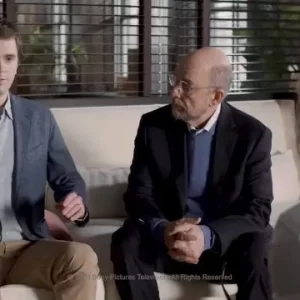
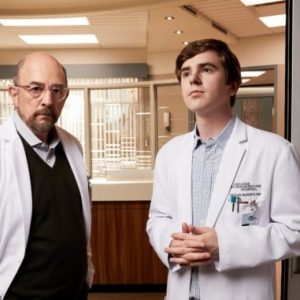
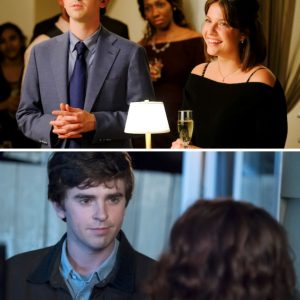
While Shaun is the emotional and narrative center of The Good Doctor, the show’s success is also anchored in its ensemble cast. Richard Schiff as Dr. Aaron Glassman continues to serve as Shaun’s mentor and father figure, offering guidance and tough love in equal measure. Paige Spara, as Lea, provides personal support, helping Shaun navigate the challenges of marriage alongside professional pressures. Christina Chang as Dr. Audrey Lim and Fiona Gubelmann as Dr. Morgan Reznick bring their own arcs and growth, enriching the show’s broader tapestry.
These characters not only support Shaun but also challenge him, providing critical feedback, emotional grounding, and diverse viewpoints that force him to grow. Their interactions are realistic and emotionally honest, contributing to the authenticity of the workplace environment portrayed on screen.

Thematic Power: Overcoming Stereotypes and Celebrating Inclusion
Shaun’s rise to lead surgeon is more than a personal achievement—it’s a profound commentary on inclusion and the dismantling of stereotypes. The series doesn’t present Shaun as an anomaly or superhero. Instead, it shows that, given opportunity and support, individuals with autism can excel in roles traditionally assumed to be out of reach.
Season 6 specifically highlights how Shaun inspires others—not despite his differences, but because of them. His ability to think outside the box, his ethical clarity, and his relentless commitment to patient care challenge the norms of medical culture and leadership. The show invites viewers to consider how diverse minds bring value to complex environments and how empathy and perseverance can drive real change.
This leadership arc directly confronts workplace biases. Shaun still faces doubt and resistance from some colleagues, especially in emotionally charged situations. However, his ability to navigate those moments—whether by asking for help, standing his ground, or learning from feedback—makes his leadership journey relatable and aspirational. It’s a story about growth, not perfection.
A Cultural Touchstone with Global Resonance
Since its debut, The Good Doctor has resonated with viewers around the world. With a global fanbase and consistently high ratings (Season 6 holding a 4.8/5 on many platforms), the show has become more than entertainment—it’s a cultural touchstone. Its honest portrayal of autism, workplace challenges, and human resilience appeals to a wide range of audiences, from medical drama fans to those seeking meaningful representation.
Season 6, in particular, stands out as a turning point—not only for Shaun, but for the series as a whole. It affirms the core values of the show: compassion, courage, and the belief that our differences can be our greatest strengths. The episodes blend heart-pounding surgical scenes with moments of deep personal reflection, making each storyline both thrilling and emotionally rich.
Conclusion: A Hero’s Journey in Scrubs
Shaun Murphy’s rise to lead surgeon is more than a character arc—it’s an inspirational journey that challenges conventions and celebrates the quiet, persistent power of human potential. Through Freddie Highmore’s heartfelt performance, Shaun becomes a symbol of perseverance, leadership, and the transformative power of being true to oneself.
The Good Doctor doesn’t just entertain—it uplifts. It asks important questions about inclusion, representation, and the nature of excellence. By placing Shaun in a leadership role, Season 6 brings his story full circle—from a young man fighting for a chance, to a doctor who now helps shape the next generation of surgeons.
In a world that often measures people by narrow standards, Shaun Murphy reminds us that greatness can come from the most unexpected places—and that real leadership begins with empathy, determination, and the courage to be different.