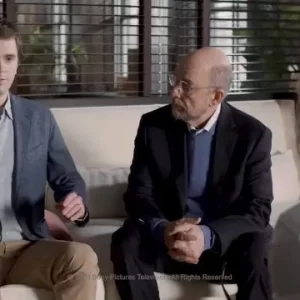
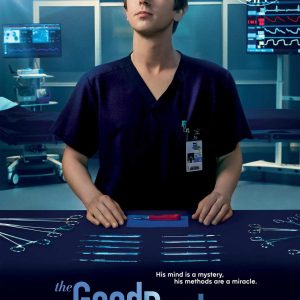
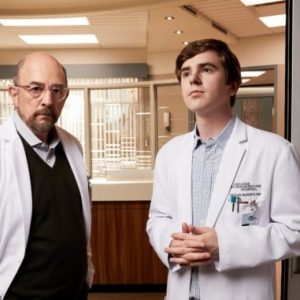
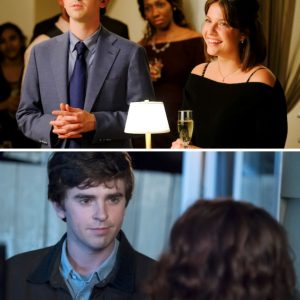
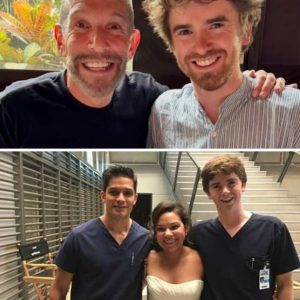
In a television landscape crowded with procedural shows and hospital melodramas, The Good Doctor emerges not just as another medical series—but as a transformative force in the genre. At the heart of this compelling ABC drama is Dr. Shaun Murphy, a gifted young surgeon with autism and savant syndrome, whose journey through the intense world of medicine challenges not only his colleagues but the very conventions of medical storytelling.
Portrayed with stunning depth and sensitivity by Freddie Highmore, Dr. Shaun Murphy is more than just a brilliant mind—he is the emotional soul of the series. His ability to perceive the human body in ways others cannot, to visualize internal systems as vivid, animated schematics, gives him an edge in diagnosing complex cases. But The Good Doctor isn’t content to rest on Shaun’s genius. Instead, the show constantly pushes boundaries—narrative, emotional, and ethical—creating an experience where every episode delivers not only clinical precision, but also emotional resonance and gut-wrenching surprises.
:max_bytes(150000):strip_icc()/Good-Doctor-1-24e26aca70434051a4c390485a76b82f.jpg)
A Medical Drama Built on the Unpredictable
While the medical cases are certainly a highlight, The Good Doctor distinguishes itself with its masterful unpredictability. The show refuses to follow a formula. One moment a surgery appears routine, the next it unravels into a life-threatening emergency with moral complications. A seemingly resolved diagnosis can twist into a second, more devastating condition. These plot shifts aren’t cheap gimmicks—they’re organic shocks that reflect the chaos and fragility of life itself.
The series thrives on these narrative curveballs. A quiet hallway conversation might evolve into an explosive confrontation. A mentor’s stern criticism might conceal deep respect or hidden trauma. Emotional dynamics between characters often mirror the unpredictable nature of their medical challenges, creating a layered drama where personal and professional realms constantly collide. And just when you think you’ve figured out where the story is headed, The Good Doctor throws another curve—a revelation from a character’s past, a tragic patient loss, a surprising romantic turn—that leaves audiences breathless.
The Emotional Center: Shaun’s Struggle and Triumph
Though the medical drama is intense, the emotional core of the show lies in Shaun’s deeply personal journey. Living with autism, Shaun often struggles with social interactions, emotional expression, and building trust with his colleagues. These struggles are portrayed with honesty and nuance, giving viewers a window into a world that is rarely explored on mainstream television with such depth and respect.
Each episode places Shaun in situations that test not only his medical skills but his emotional resilience. When his decisions are questioned or his competence is doubted, the sting is personal—and viewers feel it with him. When he overcomes obstacles, whether it’s mastering a complex surgical technique or simply expressing his feelings to someone he cares about, the triumph is intensely moving. It’s this raw vulnerability that makes Shaun’s victories feel monumental.
Rather than portraying autism as a limiting factor, the series frames it as part of what makes Shaun exceptional. His condition does not define him—it challenges him, yes, but it also enhances his capacity for empathy, his attention to detail, and his relentless pursuit of truth. Watching Shaun navigate the challenges of human connection, professional skepticism, and personal growth is what elevates the show from a medical procedural to an emotionally resonant masterpiece.
A Strong Ensemble Elevates the Story
While Shaun is the heart of the show, he’s surrounded by a dynamic ensemble cast that adds texture, conflict, and warmth to every storyline. Characters like Dr. Marcus Andrews (Hill Harper), a seasoned and pragmatic surgeon, and Dr. Audrey Lim (Christina Chang), the tough yet compassionate chief of surgery, provide both mentorship and challenge to Shaun in equal measure.

Each member of the hospital team brings their own personal baggage, ambitions, and hidden vulnerabilities. These aren’t one-dimensional support roles—they’re complex characters with evolving arcs. Whether it’s romantic entanglements, career rivalries, or family drama, the lives of these supporting characters are richly intertwined with Shaun’s story.
What makes these relationships especially compelling is how they change. An ally in one episode might become an adversary in the next. Professional disagreements often bleed into personal realms, and trust can be fragile. These dynamics mirror the messy, unpredictable nature of real relationships, and they add another layer of realism to the series.
Even seemingly minor characters are given meaningful arcs, ensuring that no emotional moment feels unearned. The result is a show where everyone has something at stake—and where the audience never quite knows who will be tested next.
More Than Medicine: Thematic Depth and Social Commentary
Beyond its medical intrigue and character drama, The Good Doctor dares to tackle complex social issues. It delves into themes of ableism, discrimination, gender politics, healthcare accessibility, and what it means to be truly competent in a world obsessed with appearances. Shaun’s mere presence in the hospital is a constant challenge to institutional norms, and the series uses that tension to explore broader societal prejudices.
These themes are not just surface-level talking points—they’re interwoven into the narrative in ways that provoke thought and invite empathy. When Shaun advocates for a patient whose voice is being dismissed, or when he challenges hospital policy that fails to account for individual needs, the show makes a powerful statement about inclusion and the value of different perspectives.
A Legacy of Impact and Innovation
Now several seasons in, The Good Doctor has carved out a lasting place in the pantheon of television dramas. It has sparked conversations around autism, representation, and the true meaning of brilliance. The show’s willingness to embrace vulnerability, to explore both failure and success, and to do so with surprising plot twists and emotional authenticity, has won it a loyal following.
Freddie Highmore’s performance remains central to the show’s success. His portrayal of Shaun is layered, meticulous, and profoundly human—never reduced to stereotype, always grounded in truth. It’s a performance that anchors the series while elevating it beyond the realm of typical medical dramas.
Final Thoughts
The Good Doctor is more than a show about surgeries and diagnoses. It’s a story about humanity—our flaws, our strengths, our capacity for growth, and our need for connection. It’s a series where lives are saved not just in the operating room, but in the quiet courage of speaking up, reaching out, and choosing compassion over fear.
With every new episode, the series continues to deliver the unexpected. Whether it’s a shocking twist in the operating room or an emotional reckoning in the staff lounge, The Good Doctor ensures that no moment is ever safe or predictable. That’s what makes it one of the most essential, emotionally resonant, and consistently surprising dramas on television today.